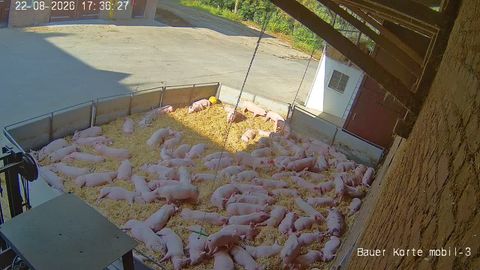
 LIVE
LIVEAnimal housing
A wide overview of housing conditions and animal activity
rtsp.me brings together the streams of the farm's existing IP cameras. The owner, the manager or the member of staff on duty can open the permitted fields of view on a computer, smartphone or tablet.
Video helps you see the general activity of the animals and the progress of work, and the archive lets you go back to the period you need. It complements walking the site in person, sensors and professional judgement, but does not replace them.
Connect your farm camerasA remote overview helps you check whether feeding has started, whether the passageways are clear, what the general situation in a building looks like and whether visible work on a remote plot has been finished.
A camera may show an unusual gathering of animals or a drop in activity, but the cause is established by staff and a veterinary specializt. The image does not give body temperature, air quality or any other measurable readings.
An IP camera with an accessible RTSP stream is connected to rtsp.me without any obligation to replace local recording. H.264 and H.265 let you use widely available equipment from a range of manufacturers.
For damp, dusty and cold areas, choose a suitable housing and temperature range. Mountings, cables and illumination must not injure or disturb the animals.
The cameras of buildings and holdings are available through a single service.
Start by choosing safe wide fields of view and the users responsible.
Check the quality at night and under typical lighting, along with the procedure to follow after a notification.
Which fields of view are useful depends on the species and the housing system:
Cameras are placed away from any contact with animals and away from vehicle movement.
Wide fields of view show the animal housing and the working areas of the holding.
LIVEA wide overview of housing conditions and animal activity
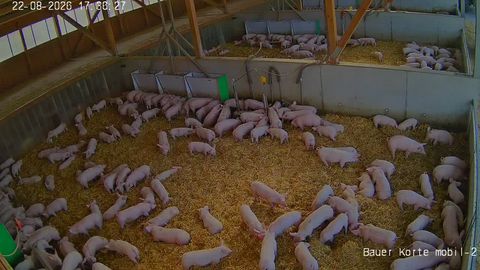 LIVE
LIVEThe visible situation and the progress of everyday work
A single account helps the manager look through the buildings one after another before a planning meeting and clarify the situation when the shift reports something. Clear camera names make it quicker to find the field of view you need.
Video is used together with feeding logs, veterinary records, climate readings and direct inspection. Showing animals publicly is acceptable only after the legal and ethical risks have been assessed; working cameras are better kept closed.
A cloud archive lets you review the period of feeding, animal movement or work that interests you and compare it with the shift log. Access and the retention period are limited to what the work requires.
rtsp.me reports if a stream becomes unavailable. A notification helps you start checking, but it does not guarantee an uninterrupted network and does not replace a backup walk-round.
Installation must take account of humidity, ammonia, dust, washing down the buildings and the behavior of the animals. Do not use illumination that disturbs the animals, unsafe mountings or cables within reach.
Video does not replace staff, veterinary examination, temperature, humidity and gas sensors, fire alarms or feeding systems. Decisions about health and safety are taken by specializts on the basis of objective data.
Connect the existing cameras of your buildings and grounds to get a general overview in the browser, keep a chosen period of recording and learn about a lost signal in good time.
Start with safe, informative fields of view and use video together with walk-rounds, measurements and the professional judgement of your staff.
Set up your farm cameras